
Pedals
Fully operable pedals
The bicycle must have fully operable pedals.
OFFICIAL WSDOT E-BIKE PROGRAM
Eligible Washington residents may qualify for a $300 rebate or a $1,200 income-qualified rebate.
WASHINGTON BIKE, E-BIKE & E-MOTO SAFETY AWARENESS WEEK
SEPTEMBER 7–13, 2026
Initiated through Know Your Ride • Officially recognized by the Governor of Washington
Kick off Washington Bike, E-Bike & E-Moto Safety Awareness Week.
Ten Ride Credits. Ten chances to practice safer habits.
The challenge isn’t to finish fast. It’s to practice safer choices until they become habits that last.
THANK YOU TO OUR COMMUNITY REWARD PARTNERS!

Ben & Jerry’s Issaquah

Krispy Kreme Issaquah
Featured Safety Awareness Week Rewards.
Complete SAFE 10 during the active reward campaign and check the app for reward details and eligibility.
 App StoreTestFlight betaAndroidScan QR to request your SAFE 10 App invite.
 Google formRequest a SAFE 10 App Invite
SAFE 10 is currently in beta. Access steps vary by device. Explore SAFE 10 for full details.
Clear Rules. Safer Rides.
Bike type
Know what it is
Speed
Check what changes
Route and rules
Verify the context
Why this matters before a ride
A bike may look simple, and many riders know how to ride. But fewer understand how speed, bike type, road conditions, and local rules can change the risks.
Know Your Ride helps students, families, and schools make informed decisions by understanding bike types, speeds, routes, rules, and rider responsibilities, so independence comes with awareness, not assumptions.
Make informed decisions. Build safer habits. Ride with confidence.
Educational guidance only. Always verify official state, city, school, park, and trail sources.
Know Your Ride is a youth-led community safety initiative helping families, students, schools, and communities understand bikes, e-bikes, and e-motos before a purchase, before a ride, and before confusion turns into risk.
Where it Began
As e-bikes became more common in our neighborhoods, schools, and communities, so did the conversations surrounding them. Families, riders, educators, and community members were asking important questions about classifications, rules, routes, and responsibilities.
As a youth-led initiative, Know Your Ride was created to help make those conversations easier to navigate by providing clear, practical information that helps people better understand the bikes they ride and the places they ride them.
The idea behind Know Your Ride did not begin with having all the answers. It began with listening to the questions, concerns, and conversations happening throughout the community and recognizing a shared need for clearer understanding.
“Prevention should not begin only after a crash, complaint, or enforcement concern. It should start before the purchase, before the ride, and before the wheels move. That is where informed choices, rider readiness, and safer decisions begin.”
— Divisha Arora
THE KNOW YOUR RIDE FRAMEWORK
P-7-28™
Fully operable pedals
The bicycle must have fully operable pedals.
Motor rated at 750 watts or less
The motor must be rated at no more than 750 watts.
Motor assistance up to 28 mph
Motor assistance must stop at or below 28 mph.
P-7-28™ is a Know Your Ride educational framework of Care Forward Foundation. © 2026 Care Forward Foundation.
Limited noncommercial educational sharing is permitted under the Know Your Ride Terms of Use.
RIDE REVIEW SPECTRUM
The goal is not to label a rider or turn one concern into blame. The goal is to understand the ride clearly enough to protect independence, shared spaces, and the people around the rider.
Select a ride type to see what it usually means
Traditional
No motor assistance.
What this usually means
No motor assistance. Focus on fit, route, visibility, and shared space.
Questions to ask
Where will the rider travel, cross, park, and lock it?
Family/school note
Still part of the same independence conversation.
Watch before you compare
Videos are for education and comparison only. A review video does not confirm legal class. Check the label, manual, and manufacturer specs.
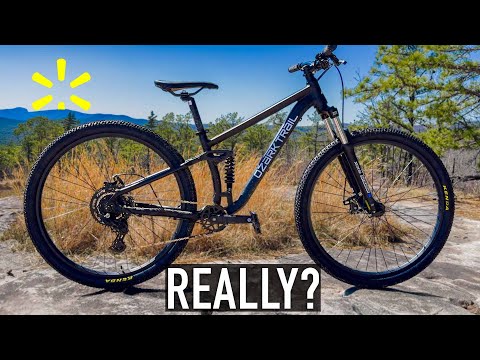
General ride review example
Traditional bike review example
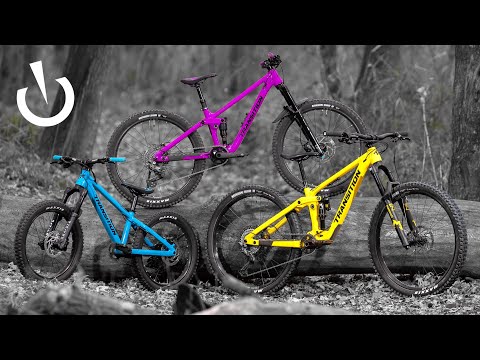
Everyday bike setup example
Traditional bike review example
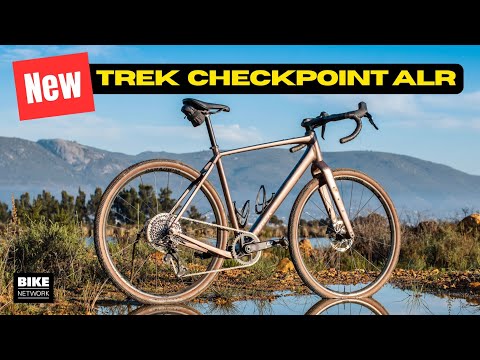
General bike example
Traditional bike review example
Start here
Is a family deciding on a bike? Is a rider trying to understand what changes near people? Is a school looking for words that calm instead of escalate? Choose the path that fits the moment.
For Parents & Ride Decisions
Speed, bike type, and road context all influence safety more than most people realize.
Open Parent GuideFor E-Bike Riders
Every choice on the road affects your safety and how others experience shared spaces.
Open Rider GuideFor Neighbors & Community Groups
Use calm language to separate bike details, rider behavior, location rules, and immediate safety needs.
Open Community GuideFor Schools & Educators
Help students and families align on expectations with consistent, practical guidance.
Open School ToolkitNot sure what you're seeing?
Different e-bikes behave differently. Speed and context can change risk quickly.
Check a BikeQUICK SAFETY
A simple one-page guide riders and families can save, print, or share.

WHY FAMILIES ARE CHOOSING E-BIKES
E-bikes can make longer distances, hills, school commutes, and everyday trips more accessible for many families.
The benefits are real. So are the responsibilities that come with higher speeds and shared spaces. Know Your Ride is not about choosing sides between bikes and e-bikes. It is about helping families understand how speed, route, environment, and rider behavior shape every ride.
QUESTIONS WE HELP ANSWER BEFORE YOU DECIDE
A product name, a friend’s recommendation, or a marketing page may not show what the bike can actually do. These questions help families, riders, and schools look at the real ride: how it starts, how fast it goes, where it will be used, and what responsibility comes with it.
Pedals matter because they help show whether the ride behaves like a bicycle or only looks like one.
A throttle can make starts faster, tighter, and harder to manage near people, crossings, and school arrivals.
Speed changes the responsibility. A 20 mph ride, a 28 mph ride, and an unlocked setting deserve different conversations.
Watts, peak power, and product wording can reveal more than the model name does.
Some settings can change how the bike behaves after purchase. That matters before deciding where and how it should be used.
The same bike can mean something different on a trail, sidewalk, school route, bike lane, or shared path.
COMMUNITY IMPACT
Together, we're building a culture of safety, awareness, and responsibility.
21+
Organizations working together to promote safer rides.
12+
Dedicated community volunteers helping spread awareness.
25+
Events participated in across our community.
5000+
Through events, conversations, and outreach efforts.
100%
Always free. Always community-focused.
IT TAKES A COMMUNITY
Join parents, riders, educators, and communities building a culture of safety and respect.