OFFICIAL WSDOT E-BIKE PROGRAM

Washington e-bike rebates are open

Eligible Washington residents may qualify for a $300 rebate or a $1,200 income-qualified rebate.

$300Standard$1,200Income-qualified
Check Eligibility & Program Details

PARENT READINESS CHECK

Pilot Complete: 30 Parent Responses Received

Thank you to the parents and caregivers who helped test the Know Your Ride Parent Readiness Check. Findings from this pilot are now being used to refine the assessment before its broader public launch.

School & PTSA Toolkit

Ready-to-use messages for safer bike and e-bike arrivals.

Starter language for schools, PTSAs, and campus teams to help students and families understand bike and e-bike expectations. Use these templates as a starting point, then adapt them to your district guidance, campus layout, arrival routines, and approved communication practices.

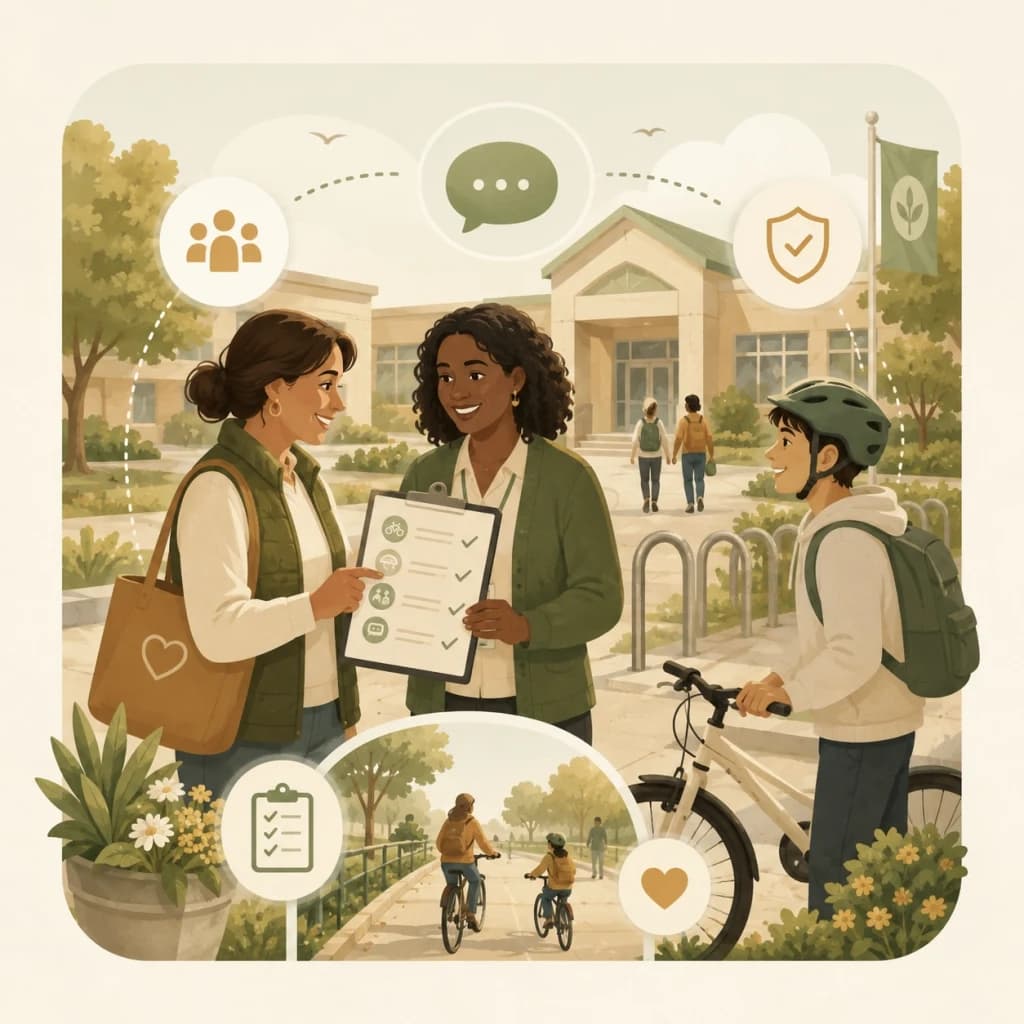
Illustration of school and PTSA e-bike safety planning, showing a school-community support scene with students, families, and bike-safety context.

School-safe communication

Shared language helps students, families, and schools stay aligned.

Clear, consistent reminders can help students understand expectations before busy arrival and dismissal times. Schools and PTSAs can use this starter language to support safer routines, family communication, and campus-specific guidance.

This toolkit provides adaptable starter language only. Schools should align any communication with district guidance, campus procedures, approved communication practices, and current official sources.

SCHOOL COMMUNICATION TEMPLATES

Ready-to-adapt messages for students, families, and campus teams.

These starter templates are designed to support clear, consistent communication about bike and e-bike expectations. Schools, PTSAs, and campus teams can adapt the language to match district guidance, campus layout, arrival routines, grade level, and approved communication practices.

Use these as flexible starting points. Final wording should reflect your school's policies, communication style, and local context.
Family communication

Parent newsletter blurb

More students are arriving by bike and e-bike. To support safe and respectful arrivals, families can help students understand what they ride, wear a properly fitted helmet, slow down near pedestrians, walk bikes in crowded campus areas, and park only in approved locations. Families may also want to review the bike label, throttle behavior, top assisted speed, and any unlockable or off-road settings before regular school riding.

Student announcement

Morning announcement script

Good morning, students. As a reminder, if you ride a bike or e-bike to school, please slow down near campus, watch for pedestrians, and walk your bike in crowded areas, near entrances, and around the bike racks. Please park only in approved bike areas and keep walkways clear. Safe riding helps everyone arrive and leave campus with more space, predictability, and respect.

Family communication

Parent email template

Subject: Bike and e-bike arrival reminders Dear Families, As more students arrive by bike and e-bike, we want to share a few reminders to support safe and orderly arrival and dismissal routines. Please help your student review the type of bike they are riding, helmet fit, route to school, where to slow down or walk, and where bikes should be parked on campus. Students should use extra care near pedestrians, school entrances, crowded walkways, and bike rack areas. Families are also encouraged to review bike-specific details such as the class label, throttle behavior, top assisted speed, and any settings that may change how the bike performs. Thank you for helping us support safe, respectful, and predictable campus routines.

PTSA / parent group

PTSA or parent group post

Helpful reminder for families: as more students ride bikes and e-bikes to school, this is a good time to review a few basics at home before regular riding becomes part of the routine. Before your student rides, consider checking the bike or e-bike label, speed settings, throttle behavior, helmet fit, route to school, and where bikes should be parked once they arrive on campus. It can also help to talk through common school-area situations, such as slowing down near pedestrians, walking the bike in crowded areas, and being extra careful around sidewalks, entrances, exits, and bike racks. For e-bike riders, families may also want to review the class label, top assisted speed, and any settings that could change how the bike performs. Clear family conversations before the ride can help students arrive with more confidence, awareness, and responsibility. Thank you to all families for helping support safer and more predictable school routines.

Campus sign

Bike rack sign

Bike racks only. Keep walkways clear. Walk bikes in crowded campus areas. Helmets on. Phones away. Eyes up.

Campus reminder

Walk your bike on campus reminder

Please walk bikes through crowded campus areas, near entrances, and around bike racks. Ride only where school rules allow and where there is enough space to move safely and predictably.

Checklist

Before riding to school checklist

Before riding to school, students and families can review: * I know what type of bike I am riding. * My helmet fits and is buckled. * I know where to slow down or walk. * I know where to park. * I know the route I am expected to use. * I will not carry passengers unless the bike is designed for it and my family has approved it. * I will stop and get help if there is a crash, injury, or immediate danger.

Discussion prompt

Advisory or homeroom discussion prompt

Before riding to school, students should be able to answer three questions: 1. What am I riding? 2. Where am I expected to ride, slow down, walk, or park? 3. What will I do if friends push me to ride faster, use a shortcut, carry a passenger, or make a risky choice? This can be used as a short classroom, advisory, leadership, or safety conversation.

Reference Language

Use existing examples to support clear local communication.

Schools and PTSAs may find it helpful to review how other districts and public agencies explain bike, e-bike, helmet, and campus expectations. These examples can support local planning, but any final communication should be adapted to your district guidance, campus layout, student needs, and approved communication practices.

Helpful topics to compare

Official district pages can help a school team decide what topics belong in its own communication.

  • How schools describe campus arrival and dismissal expectations
  • How bike rack, walk-zone, and storage reminders are worded
  • How families are reminded to check bike type, speed, and helmet use
  • How districts explain local rules without overcomplicating the message
  • How student-facing reminders stay clear, respectful, and practical

Schools should adapt any language to their own district policies and legal guidance.

Campus tools

Simple tools to support safer arrival and dismissal routines.

Small reminders can help students and families understand where to ride, where to walk, where to park, and how to move through busy campus areas. Schools and PTSAs can adapt these starter tools to fit campus layout, arrival routines, supervision plans, and district communication practices.

These tools are intended as adaptable starting points. Schools should align signage, announcements, and reminders with district guidance, campus procedures, and approved safety communication.

Support expectations before reminders are needed.

Use simple, repeated language in newsletters, announcements, signs, and family updates so students know what to expect before arrival gets busy.

Invite student leadership where appropriate.

Student leaders, clubs, or safety ambassadors can help make bike and e-bike reminders feel more relatable when guided through approved school processes.

Notice patterns that may need attention.

Schools may track repeated concerns around entrances, bike racks, crowded walkways, or dismissal times to help adjust reminders, supervision, or campus flow.

Use clear walk-zone language.

Short reminders such as “Walk bikes near entrances,” “Slow near pedestrians,” or “Park only at bike racks” can help students understand campus expectations quickly.